

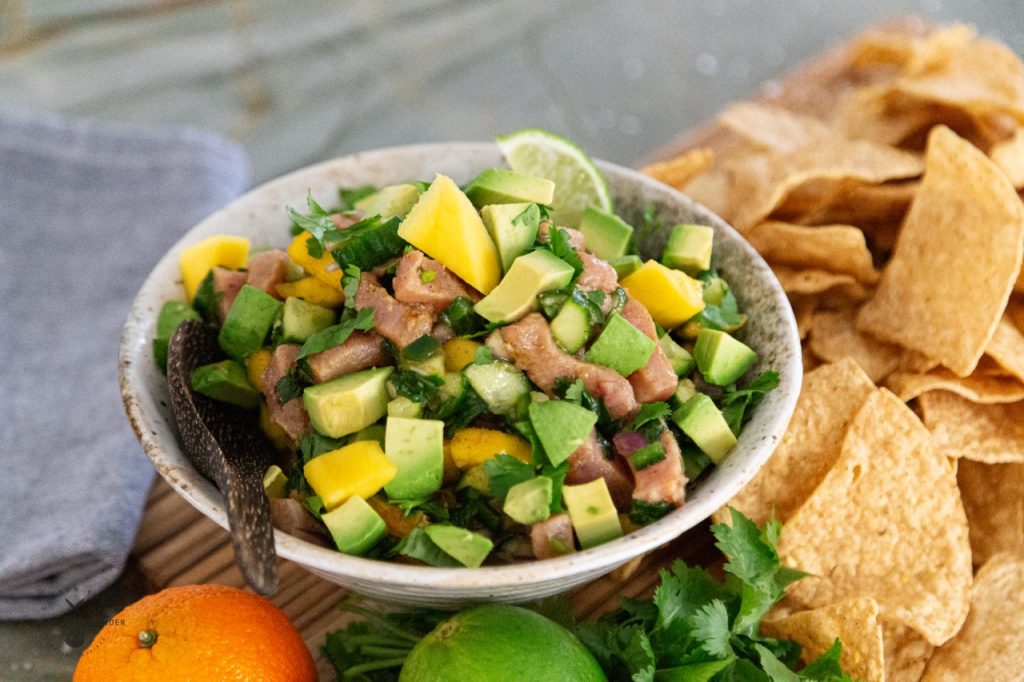
This Refreshing Tropical Mango Ceviche Recipe is a dish of beauty. Loud colors and bright, refreshing ingredients make this elegantly balanced dish a feast for the eyes. Whether served as an entrée or an appetizer, you and your guests will be clamoring for more.
Inspiration from a Scorching Georgia Day
Living in Roswell, GA, summer days can sometimes feel like walking through a sauna. The heat hangs in the air, and even the slightest breeze feels like a gift from the heavens. On days like these, I gravitate toward lighter, fresher dishes that are substantial, easy, and of course, delicious! And nothing quite beats the heat like this refreshing tropical mango ceviche recipe.
Recently, while wandering through the aisles of Buford Highway Farmer’s Market, an amazing international grocer in the Atlanta area, I found myself inspired. I often peruse the aisles of this store for inspiration. Do I see a beautiful cut of meat? Perhaps some plump heirloom tomatoes or elegantly long Chinese eggplants? On this particular day, I was drawn to the seafood section. Amid the bounty of fresh fish on ice, a vibrant filet of ruby-red tuna caught my eye. It was as if the fish was calling out to me, saying, “Eat me!” With a prompt like that, I’m all in!
The result? A zesty, tangy, refreshing tropical mango ceviche served with crispy plantain chips!
The Origins of Ceviche: A Culinary Journey Through Time
Where did ceviche come from? Seriously, who initially thought it advisable to take a relatively smelly, slimy creature, squeeze on some lime, and say, “Voila!”? And who thought, “Yeah, I know you cook with fire, but I cook with lime”?
Ceviche is a dish that’s been gracing tables for centuries, with origins as rich and colorful as the dish itself. The name “ceviche” likely comes from the Quechua word “siwichi,” meaning fresh or tender fish. This dish is believed to have originated in Peru, where it holds a place of honor as one of the country’s national dishes.
As the story goes, the Moche civilization, which flourished 2,000 years ago in northern Peru, might have been the first to prepare fish in a manner similar to ceviche. They likely used fermented juice from the local banana passion fruit or the juice of native Peruvian limes to marinate their fish.
Ceviche isn’t just a Peruvian treasure, though. It’s beloved throughout Latin America, with each country adding its own unique twist. From Ecuador’s tangy tomato-based ceviche to Mexico’s shrimp and tomato-laced versions, this dish has traveled across borders, bringing with it the fresh, vibrant flavors that make it perfect for warm weather.
Even in Japan, there’s a version of ceviche that reflects the country’s love of fresh fish, often seasoned with yuzu (a Japanese citrus) and soy sauce.
How The Lime in This Mango Ceviche Recipe Works: The Science Behind the “Cooking” Process
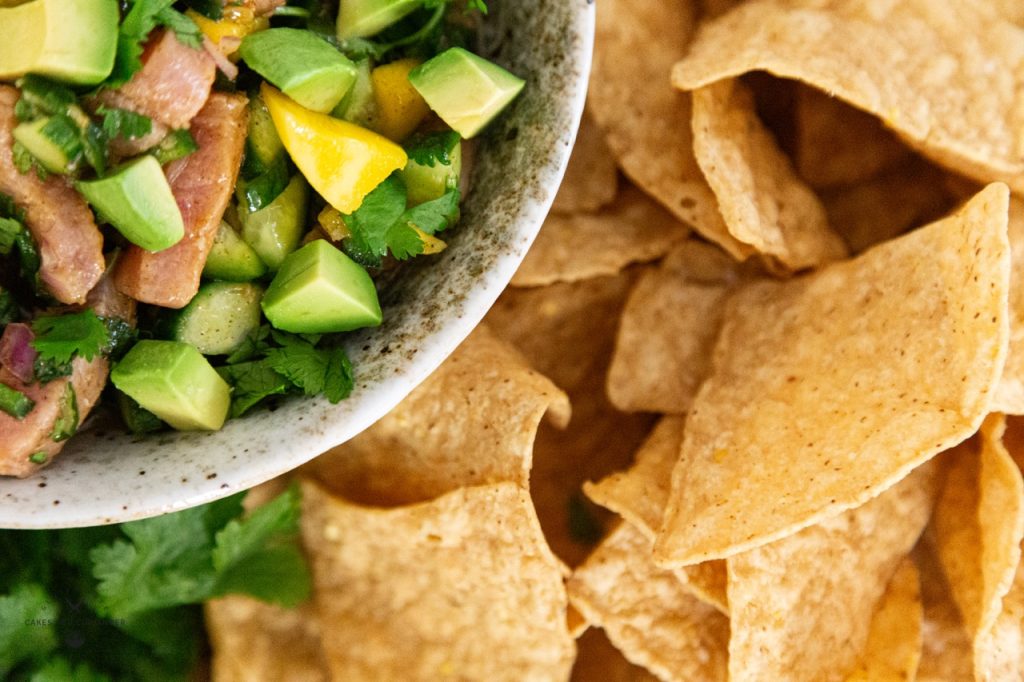
One of the most fascinating aspects of a ceviche recipe is how the fish is “cooked” without any heat. When you marinate raw fish in acidic liquids like lime juice, a chemical process called denaturation occurs. Have you ever heard of a lime or margarita burn, where citrus acid reacts with the sun? In a sense, it’s the same reaction on a larger scale. The acid changes the structure of the proteins in the fish, giving it a firm, opaque appearance and texture similar to that of cooked fish. However, denaturation doesn’t kill all the bacteria the way heat does, so it’s crucial to start with the freshest, highest-quality fish you can find.
If you can find it, sushi-grade tuna or salmon makes for the best ceviche.
Sushi Grade
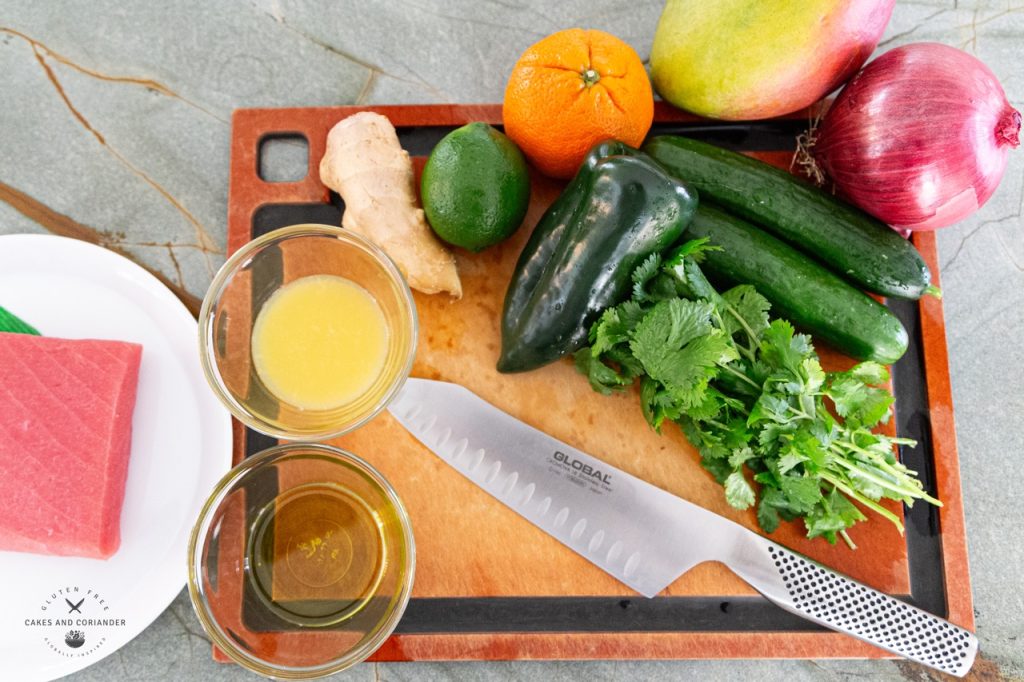
“Sushi Grade” or “Sashimi Grade” doesn’t have a legal definition—it’s technically a marketing term. The FDA isn’t hovering over fishmongers the way they do with poultry, pork, and beef. Still, don’t disregard the label, especially from reputable vendors. I knew much of this, but a Serious Eats article titled “What is Sushi Grade” was very enlightening.
When most people think of sushi, they imagine a beautiful salmon caught, cleaned, and immediately loaded aboard an airplane and flown directly to your local sushi joint. But that’s not actually the case. Most sushi is flash-frozen.
While the FDA doesn’t oversee fish, they do have safety recommendations. For fish to be safe from bacteria and parasites, it needs to be frozen to -4°F for seven days or -31°F for 15 hours. While your home freezer can’t reach these temperatures, most seafood purveyors and sushi restaurants have “super freezers” that can reach as low as -61°F to make the fish safe. Here’s a helpful PDF with Guidelines from Rhode Island Department of Health .
In summary, when purchasing fish from a reputable vendor, the “sushi” or “sashimi grade” label should give you confidence in the quality of the fish.
Tips for Selecting the Best Fish and Perfecting Your Ceviche
Making ceviche at home might seem intimidating, but really it’s quite easy. Here are some guidelines to help:
- Choose the Right Fish: The key to great ceviche is starting with the freshest fish possible. Sushi-grade fish is your best bet since it’s meant to be eaten raw. Tuna, snapper, sea bass, or halibut all work well. If you’re unsure, ask your fishmonger for recommendations.
- Check for Freshness: When selecting fish, look for bright, clear eyes if buying whole fish, or firm, shiny flesh with no fishy odor. The fish should smell like the ocean—clean and fresh.
- Marinate with Care: While the fish does need to marinate in the citrus juice to “cook,” leaving it too long can result in an overly tough or mushy texture. Usually, 15–20 minutes is all you need for tuna. You want the fish to be opaque but still tender.
- Balance the Flavors: Ceviche is all about balancing flavors. The acidity of the lime juice, the heat of the jalapeño, the freshness of the cilantro, and the creaminess of the avocado should all complement each other. Taste as you go and adjust the seasoning to your liking.
- Serve Immediately: Ceviche is best enjoyed fresh, right after it’s made. The longer it sits, the more the fish will continue to “cook,” which can change the texture. Serve it as soon as it’s ready, and pair it with something crunchy, like plantain chips or tortilla chips, to add texture to each bite.

Bringing the Tropics to Your Kitchen with this Tropical Mango Ceviche Recipe
There’s something magical about a dish that can transport you to another place with just one bite. Whether you’re in the frozen tundra of Whitehorse, Canada, or the Sonoran Desert in Arizona, this tropical mango ceviche recipe brings the vibrant flavors of the tropics right to your table. Beat the summer heat or add a little adventure to your next meal with ceviche!
So, next time you find yourself wandering the aisles of Buford Highway Farmer’s Market, or any good fish market, let the fresh fish guide you to something extraordinary. With just a few simple ingredients, you can create a dish that’s not only delicious but also a true celebration of global flavors.
Happy fishing!
Tips and Tricks to Making Tropical Mango Ceviche
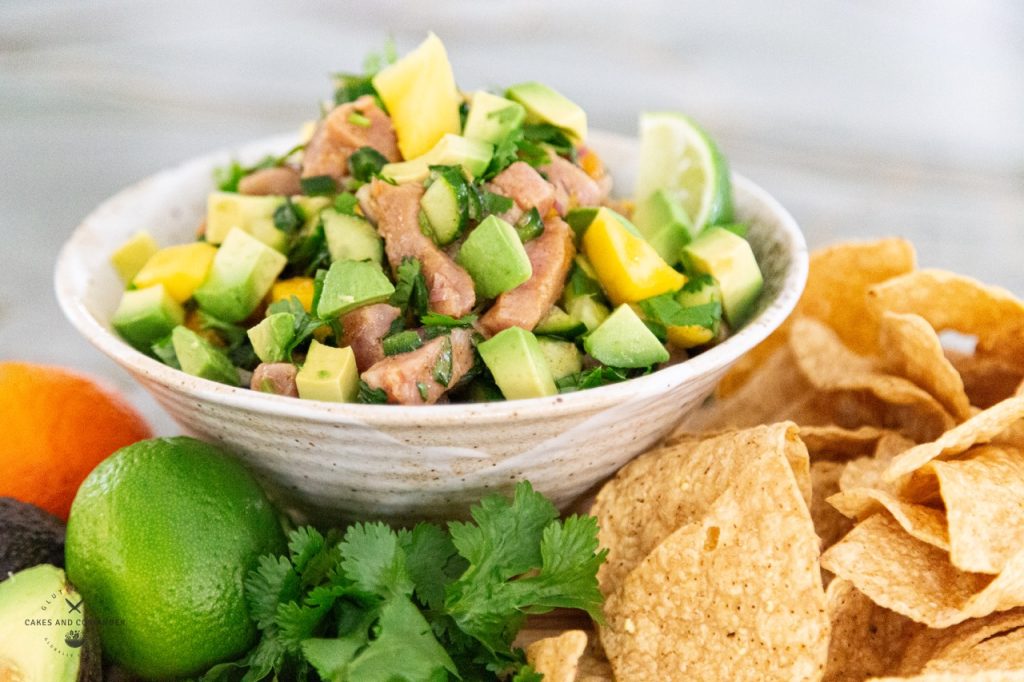
Fish Variety: I highly recommend using tuna due to its mild flavor and safety. Most species of tuna that you eat, such as Albacore, Yellowfin, Bluefin, Blackfin, and Bigeye, tend to be considered parasite-free fish. That said, there are plenty of other wonderful fish you can use.
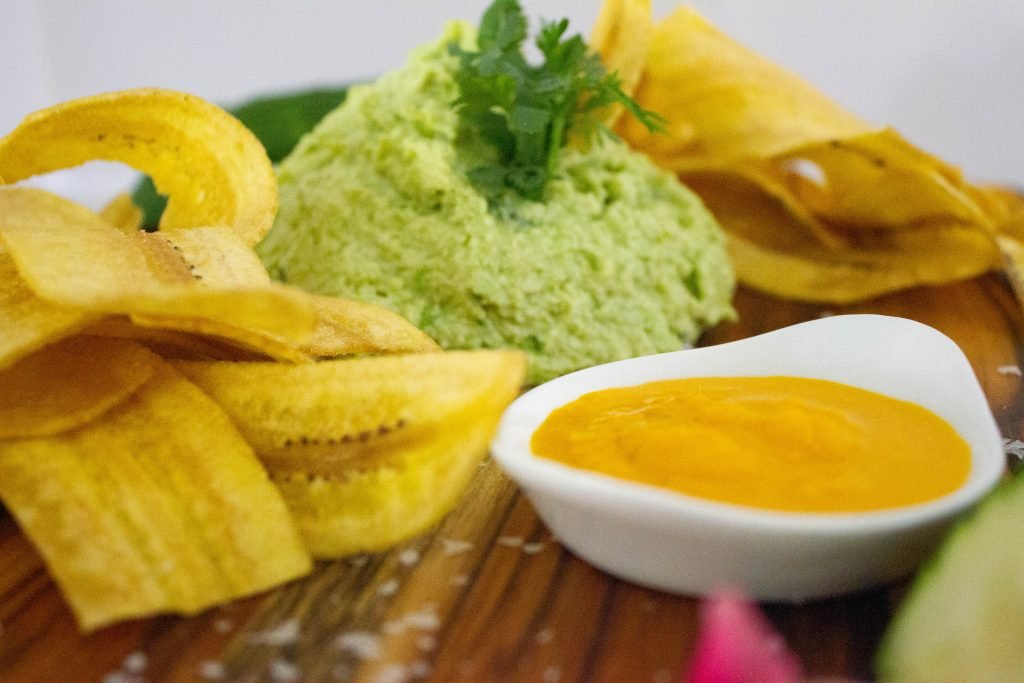
The Scoop: I used corn tortilla chips as a vessel for my tropical mango ceviche this time, but I love using plantain chips. They’re visually appealing and add a bit of uniqueness. If you can’t find store-bought plantain chips but really want to use them, here’s a great recipe, also on Serious Eats: Fried Plantain Chips Recipe.
Super Tropics: If you’re really in need of the tropics, add a couple of tablespoons of passion fruit juice. You can usually find it at international grocery stores or Goya Passion Fruit Cocktail on Amazon. I’ve also seen the occasional gallon jugs of passion fruit juice at Costco!
Check Out Some of These Other Fantastic Recipes!


How to Make: A Refreshing Tropical Mango Ceviche Recipe
Ingredients
- ¾ lb Sushi Grade Tuna
- 1 Cup Fresh Mango- Diced
- ½ Cup Poblano- Finely Diced
- ¼ Cup Red Onion- Finely Diced
- 2 tsp Fresh Ginger- Grated
- ½ Cup Tangerine- Chopped
- 1.5 Cups Cucumbers- Diced I used Persian Cucumbers
- ¼ Cup Orange Juice
- 2 Tbsp Olive Oil
- ⅓ Cup Lime Juice
- 1.5 tsp Himalayan Pink Salt
- 1 tsp Ancho Chili Powder
- ¼ Cup Fresh Cilantro- Chopped and Packed
- 1 Tbsp Granulated White Sugar
- 1 Tbsp Mirin
Accouterments
- Plantain or Tortilla Chips
- Extra Lime Wedges
- Flaky Sea Salt

Instructions
- In a small bowl, combine the lime juice, olive oil, and mirin.
- Cut your fish into bite sized pieces and marinate for 10 minutes in the lime juice mixture.
- Place the rest of your ingredients into a large bowl and mix together.
- After the fish has marinated for 10 minutes, combine it, along with the lime juice into the large bowl.
- Fold all ingredients together and serve with tortilla or plantain chips!
- Enjoy!
Best ceviche I’ve had in a very long time! Refreshing, a tad sweet… just yum!
Thumbs up!
I love ceviche! Thank you!
Thanks Mick!